

Introduction
Artificial Intelligence (AI) has transformed nearly every area of our lives—from how we work and communicate to how we consume entertainment. But one of its fastest-growing and most controversial uses is in pornography. AI-generated porn offers endless novelty, hyper-personalization, and anonymity, creating a new frontier for compulsive use and addiction.
In August 2025, WIRED published “Confessions of a Recovering AI Porn Addict” by Jason Parham, a feature that spotlighted a young man whose compulsive use of AI-generated pornography began to reshape his mental health, relationships, and sense of self. His story is a sobering reminder: while AI porn is not yet an official diagnostic category, clinicians, researchers, and clients themselves are noticing patterns of harm that resemble both pornography addiction and broader online addiction.
At The Kraft Group Inc., we believe it’s vital to address this issue with a trauma-informed lens, integrating evidence-based addiction treatments with digital wellness strategies.

The glow of a screen at night has become the modern symbol of digital compulsion.
Many clients report hours of late-night use, often in isolation, hidden from partners, family, and friends.
What begins as curiosity can spiral into secretive patterns that disrupt sleep, erode relationships, and undermine emotional well-being.
What Makes AI Porn Different From Traditional Pornography
While compulsive pornography use is not new, AI-generated porn introduces unique dynamics that heighten risk factors:
1. Novelty Amplification
AI can generate infinite variations—different bodies, scenarios, or surreal imagery—providing “supernormal stimuli” that the brain quickly adapts to, leading to tolerance and escalating use.
2. Hyper-Personalization
Unlike mainstream porn, which may or may not align with a viewer’s fantasies, AI tools can generate precisely tailored content. This hyper-personalization makes the material more gripping and harder to resist.
3. Always Accessible, Always Private
The anonymity of AI content means individuals can consume it endlessly without external checks. This mirrors patterns seen in online gaming and social media addiction.
4. Ethical and Legal Risks
AI deepfakes and “nudify” tools raise the stakes further. Many involve non-consensual imagery, which can traumatize victims and expose users to legal consequences.
The Neuroscience of Overstimulation
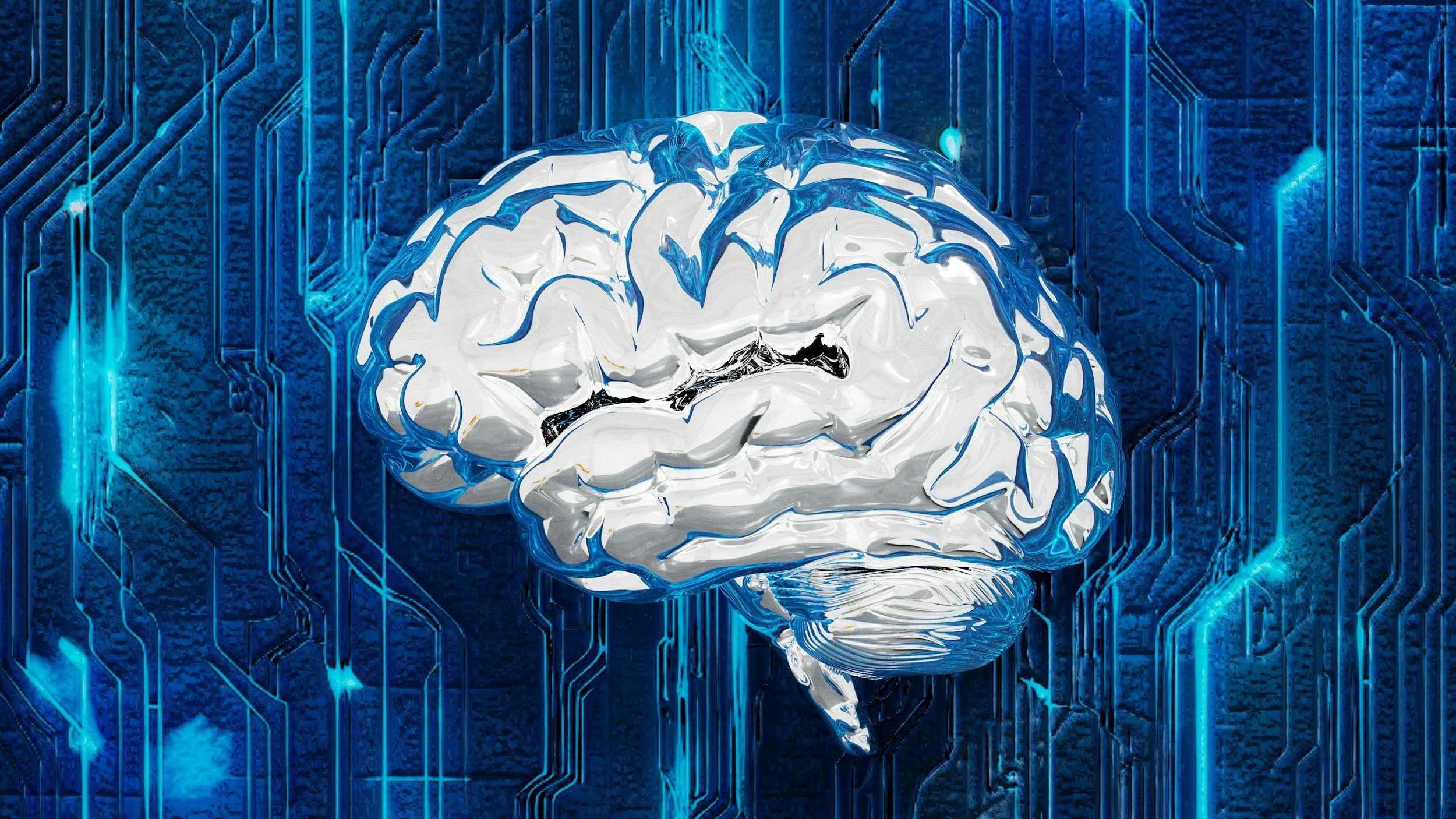
Neuroscience research confirms that overstimulation of reward pathways makes stopping harder over time, as the brain begins to expect ever more novelty. This process is rooted in dopaminergic signaling, the same pathway activated in drug and behavioral addictions.
When a person encounters something exciting or novel, dopamine is released in the brain’s mesolimbic pathway—particularly in the nucleus accumbens, often called the brain’s “pleasure center.” Traditional pornography already provides heightened stimulation by offering constant novelty and variety. But AI-generated pornography amplifies this effect exponentially by creating limitless, hyper-tailored content that aligns exactly with a user’s fantasies.
Over time, the brain adapts to these dopamine surges through tolerance. This means that the same material no longer produces the same level of arousal, leading individuals to seek more extreme, unusual, or personalized content. This cycle of novelty-seeking, escalation, and desensitization mirrors what is seen in substance use disorders, gambling, and other compulsive behaviors.
Neuroscientists call this “neuroadaptation”—the brain’s way of recalibrating after repeated overstimulation. The result is a feedback loop where ordinary, real-life intimacy feels less rewarding compared to the hyper-stimuli of AI porn. Everyday experiences, like a partner’s touch or a meaningful conversation, may no longer trigger sufficient dopamine release, leaving the individual craving the artificial highs of digital novelty.
Compounding this, research on cue reactivity shows that repeated exposure strengthens neural associations between certain triggers (such as being alone late at night, using a laptop in bed, or experiencing stress) and the behavior of consuming pornography. These “neural shortcuts” can make it feel almost automatic to return to the screen, even when someone consciously wants to stop.
In short, AI pornography doesn’t just provide content—it rewires the brain’s reward system, reinforcing compulsive loops and making real-world pleasure feel muted by comparison.
The Psychological and Relational Impacts
The clinical impacts of compulsive AI porn use parallel those seen in compulsive sexual behavior disorder (CSBD) and problematic pornography use (PPU):
Desensitization: Users report needing increasingly extreme or novel content to feel arousal.
Erosion of Intimacy: Relationships suffer as partners feel disconnected, neglected, or replaced by fantasy.
Shame and Isolation: Many clients report secrecy, double lives, and guilt that feed cycles of compulsivity.
Escalation of Co-occurring Symptoms: Depression, anxiety, ADHD, and trauma histories are common among those struggling with compulsive use.
Legal and Moral Conflict: When AI porn crosses into non-consensual imagery, shame and fear can intensify.

For many couples, the struggle is about more than content—it’s about the emotional void.
For partners, the issue is not just about what their loved one is watching—it’s about what’s missing between them. Couples describe feeling emotionally neglected, as intimacy erodes and is replaced by secrecy. Over time, digital fantasy creates a wedge that undermines real-world connection.
Evidence-Based Treatment Approaches
Because AI porn addiction blends elements of both porn addiction and online/digital addiction, treatment must draw from both evidence bases.
Despite the complexity of AI porn addiction, recovery is possible. Therapy provides a safe, non-judgmental environment where clients can explore the roots of their compulsivity, identify triggers, and build healthier coping strategies. Evidence-based treatments such as Cognitive Behavioral Therapy (CBT) and Acceptance and Commitment Therapy (ACT) have been shown to significantly reduce compulsive pornography use and restore balance.

1. Comprehensive Assessment
Clinicians begin with tools such as:
CSBD-7 or CSBD-19 (Compulsive Sexual Behavior Disorder scales)
Problematic Pornography Use (PPU) scale
PHQ-9 and GAD-7 for mood and anxiety
ACE score for trauma histories
This allows a full picture of severity, comorbidities, and risk factors.
2. Psychotherapy Modalities
Cognitive Behavioral Therapy (CBT):
Focuses on identifying triggers, restructuring distorted beliefs (“AI porn is harmless because it’s not real”), and building new coping mechanisms.Acceptance and Commitment Therapy (ACT):
Particularly helpful in addressing shame and experiential avoidance, ACT emphasizes values clarification, urge surfing, and living a meaningful life beyond compulsive behavior.Mindfulness-Based Relapse Prevention:
Helps clients build awareness of urges, boredom, and emotional discomfort that might otherwise drive use.Imaginal Retraining (2024 RCT evidence):
A newer intervention where clients practice mental “approach-avoidance” exercises to weaken cravings and reduce automaticity.Couples & Relationship Therapy:
When partners are involved, therapy focuses on rebuilding trust, creating healthier intimacy, and renegotiating boundaries.
3. Digital Hygiene Strategies
Since AI porn is inherently digital, treatment must address online behaviors directly:
Install blocking or filtering software.
Establish device-free zones (especially bedrooms).
Implement scheduled “offline windows.”
Use accountability software with trusted peers.
Engage in alternative digital activities that align with values (educational apps, creative outlets).
4. Support Systems
Peer support groups like Sex Addicts Anonymous (SAA), Sex and Love Addicts Anonymous (SLAA), or SMART Recovery.
Online recovery communities (e.g., NoFap) can reduce shame and increase accountability.
Family and couples support to strengthen external connections.
5. Pharmacotherapy (Adjunctive)
Though no medications are approved specifically for AI-porn addiction, certain medications may help in severe cases or when comorbidities exist:
SSRIs for depression, anxiety, and sexual compulsivity.
Naltrexone (in limited, off-label contexts) for compulsive urges.
Why Trauma-Informed Care Matters
At The Kraft Group Inc., we emphasize trauma-informed practice because compulsive behaviors rarely exist in a vacuum. For many, compulsive AI porn use is a maladaptive coping mechanism rooted in:
Childhood neglect or trauma
Attachment wounds
Chronic loneliness or rejection
Stress and perfectionism
Trauma-informed therapy ensures that treatment is not about shame or moralizing, but about helping clients feel safe, understood, and empowered.
Ethical and Legal Considerations
The rise of AI deepfakes and non-consensual imagery presents unique challenges:
Victimization: Individuals targeted by deepfake porn often experience humiliation, trauma, and reputational damage.
Legal Risks: Laws are evolving quickly; in some jurisdictions, producing or even possessing non-consensual AI porn can have legal consequences.
Clinician Responsibility: Therapists must balance confidentiality with ethical obligations if clients are involved in illegal activity.
Relapse Prevention
Recovery from AI porn addiction, like all addictions, is not linear. Relapse prevention focuses on:
Identifying high-risk situations (stress, loneliness, late-night browsing).
Building personalized coping strategies.
Regularly tracking mood, cravings, and consumption patterns.
Maintaining therapy check-ins and peer accountability.
The Kraft Group Inc. Approach
Our practice integrates:
Clinical expertise in compulsive behaviors
Trauma-informed, values-driven psychotherapy
Cutting-edge digital wellness strategies
Support for individuals, couples, and families
We recognize that AI porn addiction is not just about stopping a behavior—it’s about rebuilding intimacy, self-esteem, and purpose.
Conclusion
AI-generated pornography represents a new frontier in digital compulsivity. While research is still emerging, integrating established approaches from porn addiction and digital addiction treatment gives clients the best path to recovery.
At The Kraft Group Inc., we provide confidential, compassionate, and evidence-based care for those struggling with compulsive AI porn use. If this resonates with you or someone you love, reach out today—we are here to help.
If AI pornography use is affecting your life, intimacy, or mental health, you don’t have to struggle alone. The Kraft Group Inc. offers confidential, trauma-informed therapy for individuals, couples, and families. Our clinicians integrate addiction science with compassionate care to support real healing. Contact us today to begin your recovery journey.
Frequently Asked Questions About AI Porn Addiction
Q1: Is AI porn addiction real?
Yes. While not yet a formal diagnostic category, therapists and clients are seeing compulsive patterns tied to AI-generated content. Its novelty, personalization, and accessibility make it uniquely addictive.
Q2: How do I know if I need help?
If AI porn is interfering with your relationships, mental health, work, or sense of control, it may be time to seek support. Warning signs include spending hours online, hiding use from loved ones, and feeling unable to stop.
Q3: Can AI porn addiction be treated?
Yes. Evidence-based therapy approaches—like CBT, ACT, and mindfulness—help clients regain control. Digital hygiene strategies and peer support also play a crucial role.
Q4: What makes The Kraft Group Inc. different?
We combine trauma-informed therapy, addiction expertise, and holistic care. Our team helps clients not only stop compulsive behaviors but also heal the deeper wounds fueling them.
Q5: Is treatment confidential?
Absolutely. At The Kraft Group Inc., all sessions are private, safe, and judgment-free. Your privacy and dignity are our top priority.