
Hormones, the Gut-Brain Axis, and Addiction: Why Adolescence Is a Critical Window

Adolescence is a neurobiological renovation project. Reward circuitry accelerates before self-control systems fully come online; sex hormones surge; the gut microbiome shifts with diet, stress, and sleep; and the stress (HPA) axis tunes itself to the environment. These converging forces help explain why the teen years are a sensitive period for the onset of substance use and other compulsive behaviors—and why timely, whole-person intervention can change the trajectory.
1) The Adolescent Brain: Reward Ahead of Regulation
Longitudinal imaging shows the prefrontal cortex (planning, judgment, impulse control) matures into the mid-to-late 20s, while subcortical reward systems are comparatively active during the teen years—raising novelty-seeking and reward sensitivity. This developmental “imbalance” increases vulnerability to risk-taking and substance experimentation. PMC+3National Institute of Mental Health+3PMC+3
Dopamine-rich circuitry shows adolescent-specific responsivity to rewards and peers, which can amplify risk taking in social contexts. That responsivity is not “bad”—it’s part of adaptive learning—but it also creates a window where intoxicants and high-dopamine behaviors (nicotine vapes, cannabis concentrates, gambling, screens) can more easily capture habits. SAGE Journals+2ScienceDirect+2
Importantly, large prospective cohorts (e.g., ABCD) suggest some brain structure differences precede first use, indicating preexisting vulnerabilities that interact with environment and access—another reason to prioritize early, targeted prevention and supports. JAMA Network+2National Institute on Drug Abuse+2
2) Hormones Meet Microbes: The Gut–Brain Axis in Puberty
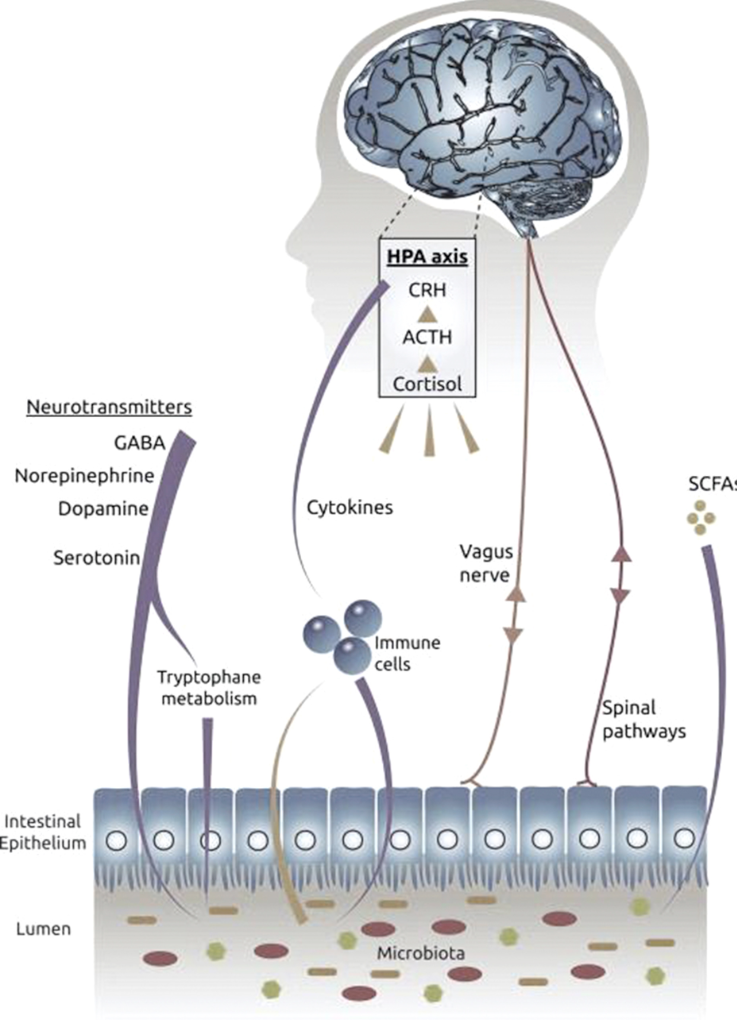
The gut–brain axis is a bidirectional network linking microbiota, immune signaling, hormones, and the brain. During adolescence, sex hormones (estrogen, progesterone, testosterone) and stress hormones modulate microbiome composition and permeability; in turn, the microbiome influences neurotransmitters (e.g., GABA, serotonin), inflammation, and stress reactivity, all of which affect mood and impulse control. PMC+2Physiology Journals+2
Evidence points to sex-dependent effects: pubertal stress and hormones shape brain–behavior outcomes partly via microbiome changes; experimental models show testosterone can directly alter microbial diversity and metabolites. Translationally, this helps explain why boys and girls may display different trajectories of anxiety, depression, and risk behaviors during puberty. PMC+1
Adolescent microbiome development itself appears to be a sensitive period for later neurobehavioral health, with reviews highlighting how disruptions in this window can reverberate through brain development and emotion regulation. ScienceDirect+1
3) Trauma, Stress, and the HPA Axis: Why Some Teens Are at Higher Risk
Chronic stress and trauma activate the HPA axis (cortisol), which can loosen intestinal tight junctions, shift microbial communities, and promote systemic inflammation—changes linked to anxiety, anhedonia, and impaired executive control. In adolescents, stress-related gut changes can potentiate “self-medication” via substances or compulsive behaviors to regulate arousal. PMC+2Physiological Society+2
Meta-analytic and longitudinal work links adverse childhood experiences with elevated risk for adolescent polysubstance use and later SUD, while clinical reviews underscore the bidirectional relationship: trauma increases substance risk, and substance use increases exposure to trauma. This cyclical coupling is especially salient in justice-involved or highly stressed youth. PMC+2Frontiers+2
4) Why This Window Matters: Neuroplasticity Cuts Both Ways
Because brain and gut systems are still plastic, early use can “teach” reward pathways to prefer short-term relief, especially under stress; conversely, well-timed, developmentally tuned interventions can rewire toward resilience, executive function, and healthy reward seeking. The upshot: adolescent prevention and treatment deliver outsized returns compared with waiting until patterns harden in adulthood. ScienceDirect
5) What Works: Evidence-Based Strategies We Use and Recommend
A. Family-Centered Treatment (gold-standard for adolescent SUD)
Randomized trials and meta-analyses consistently show family therapies—such as Multidimensional Family Therapy (MDFT)—reduce adolescent substance use and delinquency more effectively than many individual-only approaches. They also improve engagement, school functioning, and family communication. PMC+2PMC+2
B. SBIRT in Pediatric and School Settings
Screening, Brief Intervention, and Referral to Treatment (SBIRT) identifies risky use early, offers motivational brief interventions, and routes youth to specialty care when needed. Implementation evidence is strong in pediatric settings, and current randomized effectiveness work is directly comparing adolescent-only SBIRT to family-inclusive SBIRT—aligned with our systems approach. JAMA Network+2Jah Online+2
C. Whole-School and Community Prevention
Universal school programs can yield small but meaningful population-level benefits, with stronger results for e-cigarette prevention curricula and whole-school approaches that bolster school connectedness (protective factor for use and violence). PMC+1
D. Nutrition & the Microbiome (adjunctive, not a replacement for therapy)
Diet quality influences mood and inflammation. In adults with major depression, the SMILES trial showed a Mediterranean-style dietary intervention improved depressive symptoms versus social support control; emerging youth studies suggest similar feasibility in young males with depression. For adolescents, we use nutrition as an adjunct to psychotherapy and medical care, not as stand-alone treatment. BioMed Central+2PubMed+2
E. Trauma-Informed Care Across the Continuum
Given the tight coupling between trauma, stress physiology, gut integrity, and addiction risk, all services should be trauma-attuned, explicitly addressing safety, agency, and stabilization, and avoiding re-traumatization while building skills for regulation (breath, interoception, sleep, movement, prosocial connection). PMC
6) Practical Guidance for Parents, Schools, and Referring Professionals
Treat mood/behavior shifts as data, not defiance. Sudden sleep changes, irritability, academic drops, social withdrawal, or GI complaints can signal stress physiology or early substance involvement—screen and respond early (SBIRT). JAMA Network
Engage family systems. Even when the teen resists, caregiver coaching improves outcomes; MDFT and other family therapies are frontline for a reason. PMC
Address basics that shape the microbiome & HPA axis: diet quality, consistent sleep, physical activity, and stress-reduction routines are “therapeutic amplifiers” that support psychotherapy and medications when indicated. PMC
Mind sex-specific pathways. Pubertal timing and hormonal milieus interact with microbes and stress; tailor prevention and messaging accordingly. PMC
Watch peer context. Risk spikes in groups; structure pro-social, skill-building activities and mentorship to leverage reward circuitry adaptively. PMC
7) How The Kraft Group, Inc. Operationalizes the Science
At The Kraft Group, our adolescent services integrate forensic-grade assessment with trauma-informed, family-centered care, and mind–body supports:
Psychological & Forensic Evaluations
In-depth assessments clarify diagnoses, cognitive functioning, trauma history, and behavioral risk. Every report is court-defensible, meeting forensic standards for validity, reliability, and neutrality—vital for legal cases or multidisciplinary treatment planning.Family-Based Therapies
Using frameworks such as Multidimensional Family Therapy (MDFT) and Motivational Interviewing, we help families repair trust, strengthen communication, and create sustainable systems of accountability. Our sessions teach practical skills for self-regulation, co-regulation, and emotional safety.Medical Collaboration
When hormonal or neuroendocrine factors are involved, we coordinate care with medical professionals to ensure comprehensive understanding of how endocrine health, stress physiology, and medication may influence behavior and emotional stability.Nutrition & Gut Health Support
Recognizing the strong gut–brain connection, our team provides nutritional guidance to stabilize mood and improve cognitive clarity. This is particularly valuable for youth experiencing GI complaints, anxiety, or depressive symptoms, where dietary interventions can enhance treatment outcomes.SBIRT Pathways in Schools & Primary Care
We integrate Screening, Brief Intervention, and Referral to Treatment (SBIRT) protocols into school and pediatric networks to identify at-risk teens early—before patterns escalate into entrenched addiction or self-harm behaviors.Trauma-Informed Education & Skill Building
Teens learn sleep hygiene, breath regulation, mindfulness, interoception, and body-based grounding skills to rebuild internal safety and resilience. We emphasize that recovery is not simply symptom reduction—it’s the rewiring of reward pathways toward healthy pleasure, connection, and purpose.Collaboration Across Systems
Our clinicians collaborate with courts, schools, attorneys, and healthcare providers to ensure consistent, ethically sound support for adolescents navigating both legal and clinical systems.
Our goal is not just symptom reduction; it’s rewiring for resilience—so teens can pursue reward in healthy ways, with brains and bodies aligned.
Disclaimer: Educational content only; not a substitute for medical or legal advice. If you’re concerned about a teen’s safety or substance use, please contact us for a confidential consultation.
References (selected)Brain & reward development: NIMH “Teen Brain” overview; prefrontal maturation into mid-20s; peer-amplified risk; dopamine reward sensitivity. SAGE Journals+4National Institute of Mental Health+4PMC+4Preexisting vulnerability & ABCD: JAMA Network Open cohort on neuroanatomy and early initiation; NIDA/NIH ABCD resources. JAMA Network+1Gut–brain axis & hormones: Reviews on microbiome–brain in development; sex-hormone–microbiome bidirectionality; pubertal stress & microbiome; experimental testosterone–microbiome effects. Nature+4PMC+4Physiology Journals+4Stress/trauma, HPA, gut permeability: Reviews and human evidence on stress-induced permeability; links among trauma, adolescent substance use, and psychiatric outcomes. Frontiers+3PMC+3Physiological Society+3Interventions: Family-based therapy evidence (MDFT); SBIRT effectiveness and ongoing family-inclusive trials; school prevention meta-analyses; dietary trials (SMILES; young men with depression). ScienceDirect+7PMC+7PMC+7